
Restriction Orifice Assemblies
Engineered pressure reduction and flow limitation for critical process lines.
View Specifications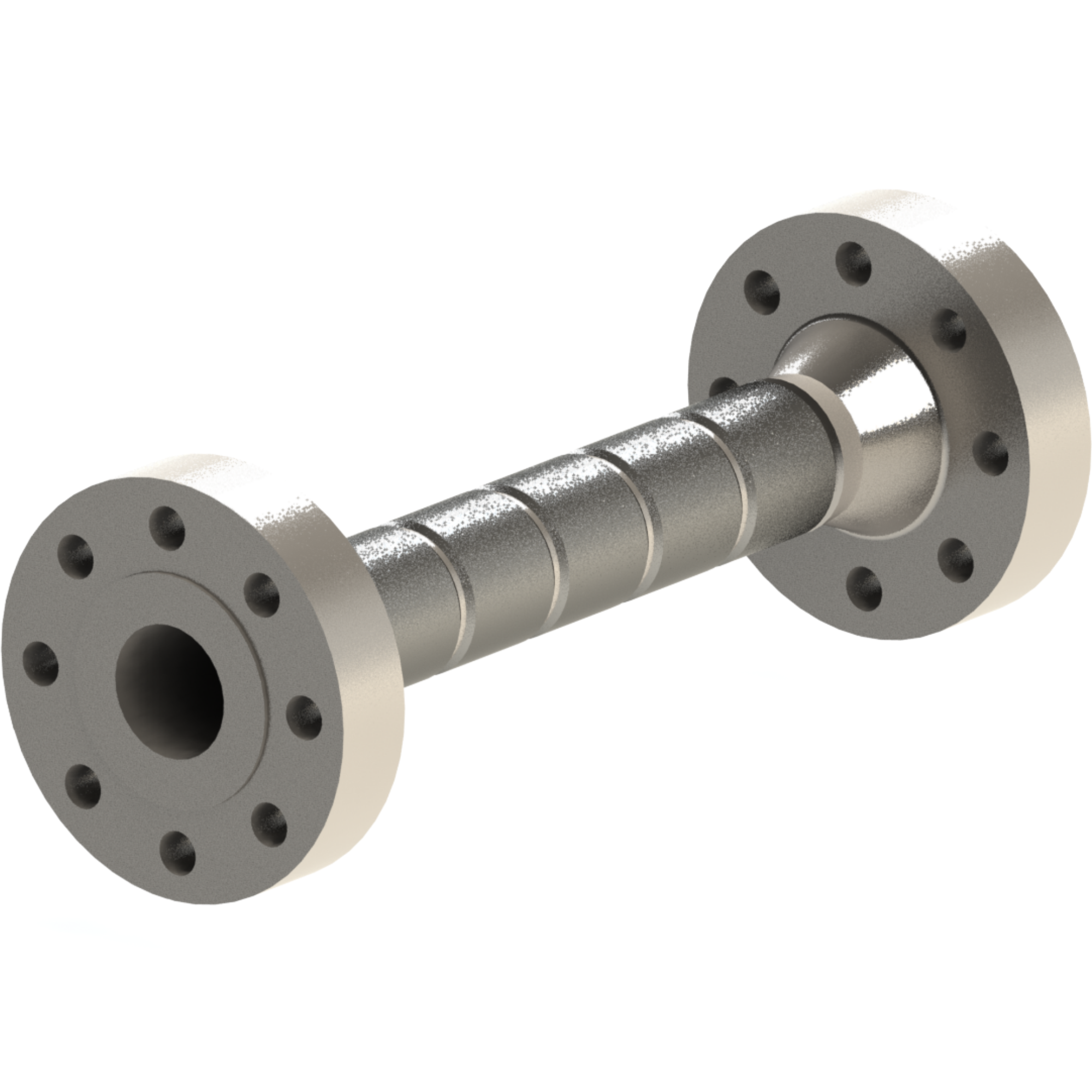
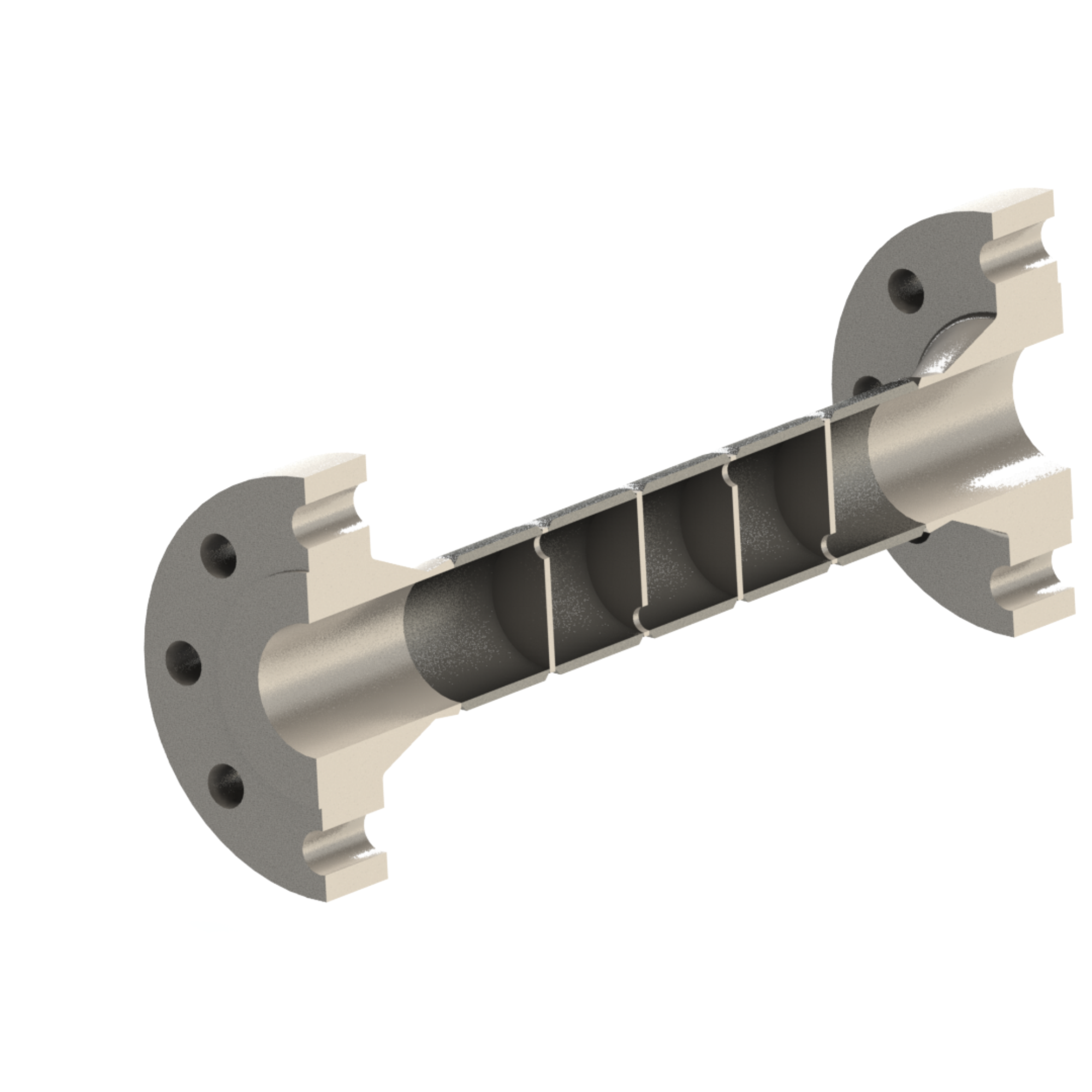
The Restriction Orifice (RO) Assembly is a simple, robust, no-moving-parts device designed to reduce pressure in process piping systems. A precision-machined orifice plate, sized on the process fluid's flow rate, pressure drop, and operating conditions, is installed between a pair of flanges to create a controlled permanent pressure loss. It is the preferred solution for flow limiting in bypass, vent, drain, and recirculation lines, pressure letdown in gas, steam, and liquid services, pump minimum-flow protection, and flare and relief system applications. For high pressure drops, multi-stage and multi-hole configurations distribute the pressure reduction across several stages to minimise noise, vibration, cavitation, and erosion, ensuring long service life and stable performance even in severe services.
Bhavyam offers all Restriction Orifice solutions under the BETFITT range of products. Design & engineering is done as per global standards to meet challenging process demands. Manufacturing of all restriction orifice plates and assemblies is carried out as per RW Miller Standard/ ISO 5167 / BS 1042 standards.
Specifications
| Type of Restriction Assembly | Single-Stage/ Single-Hole, Single-Stage/ Multi-Hole, Multi-Stage/ Single-Hole, Multi-Stage/ Multi-Hole |
| Plate Material | SS316 & SS316L as standard. SS304, SS304L, Hastelloy, Monel, Inconel, Titanium, PTFE, PVC, PP, and others on request. |
| Orifice Flange Standard | As per ASME B16.36, ASME B16.5, ASME B16.47 Series A/B. Flanges as per EN standard are also provided on request. |
| Flange Material | ASTM A105 & ASTM A182 F316 as standard. ASTM A182 F304, ASTM A182 F11, ASTM A182 F22, PTFE, and others on request. |
| Testing | PMI, Hydrotest, Dye Penetration Test, Radiography, Flow Calibration, and others on request. |
Applications we serve.
- Bypass, vent, drain, and recirculation lines — limits flow to a fixed, safe value in auxiliary lines.
- Pump minimum-flow protection — maintains the minimum flow needed to keep centrifugal pumps from overheating or being damaged at low demand.
- Pressure letdown — reduces pressure in gas, steam, and liquid services, including downstream of control valves or ahead of sensitive equipment.
- Flare and relief systems — controls flow and back-pressure in relief and blowdown lines.
- Steam and condensate systems — limits flow in steam traps, drain, and blowdown lines.
- Compressor and turbine auxiliary lines — controls flow in seal gas, lube oil, and cooling lines.
- Chemical injection and sampling lines — provides a fixed, repeatable flow to dosing and sampling points.
- Instrument and analyser lines — limits flow to protect downstream instruments, and limits leakage in the event of a line break.
Frequently asked questions.
What is the difference between a restriction orifice and an orifice plate flow meter?
Both use a plate with a machined bore, but they serve different purposes. A restriction orifice limits flow or reduces pressure and creates a permanent pressure loss. An orifice plate flow meter measures flow by reading the differential pressure across the plate, and it needs pressure taps, specified straight pipe lengths, and a DP transmitter. A restriction orifice needs none of these, so it is a simpler, lower-maintenance device.
When do I need a multi-stage or multi-hole restriction orifice?
A single-stage orifice is suitable when the pressure drop is modest. When the drop is large relative to the upstream pressure, a single plate can cause high noise, vibration, cavitation (in liquids), or choked flow (in gases), which leads to erosion and shortened service life. Multi-stage designs (several plates in series) and multi-hole designs (several smaller bores) divide the pressure drop into smaller steps, keeping velocities and turbulence under control. Our engineers can recommend the right configuration from your process data.
Can a restriction orifice be used to regulate or adjust flow?
No. A restriction orifice has a fixed bore and is sized for a specific set of operating conditions. If the upstream or downstream pressure changes, the flow through it changes as well. It suits applications where a fixed flow limit or pressure drop is needed, such as bypass lines, vents, drains, and pump minimum-flow lines. Where flow must be adjusted or controlled automatically, a control valve is the better choice.
Need help choosing the right configuration?
Share your process data — fluid, line size, pressure and temperature — our engineers respond with a sized, documented quotation